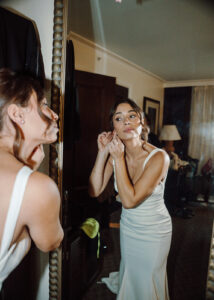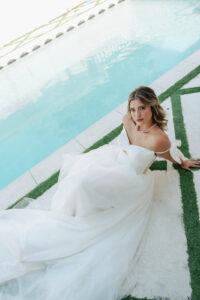
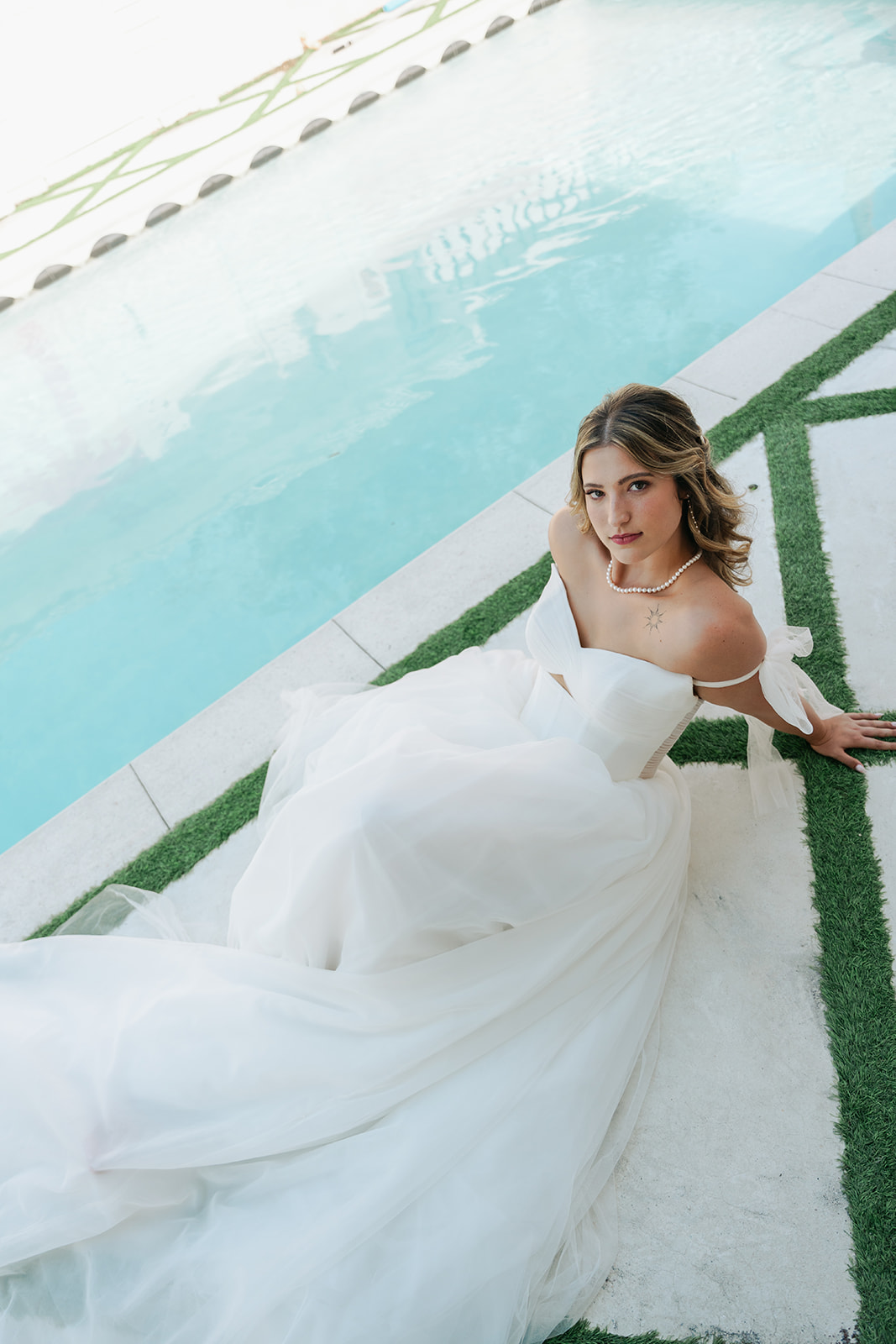
Wedding photography preserves still images you can print, frame, and collect in an album. Wedding videography records movement and sound, including spoken vows, speeches, and the way moments unfold. Both tell the story of your wedding, but they give you different ways to revisit it.
If you have already chosen a photographer and are wondering whether a videographer is worth adding, start with the memories that matter most to you. At Ambition Film Company, Emma leads our photography and Jake leads our filmmaking. Here is how we help couples think through that choice for their Vero Beach wedding.
Do you need both? You do not automatically need wedding photography and videography. Photography is a natural priority for albums and framed portraits; video adds voices and movement. Choose both if those experiences matter to you and fit comfortably within your budget.
What is the difference between wedding photography and videography?
A photograph can preserve a single expression: a parent seeing you dressed for the ceremony, your partner’s reaction during the vows, or the instant after your first kiss. Film lets you revisit the words, gestures, and sounds surrounding those moments.
Wedding photography
- Individual images for albums, prints, and framed portraits
- A particular expression or gesture frozen in time
- An edited gallery you can browse at your own pace
- Family portraits, details, and candid moments
Wedding videography
- Movement and the sequence of a moment
- Voices and delivery when audio is recorded and included
- Edited films to watch and share with family
- Highlight films or longer event edits, depending on the package
Both can include candid moments and guided portraits. Photography is not always posed, and video is not always completely documentary. Ask each team how they work and review complete examples of what they deliver.
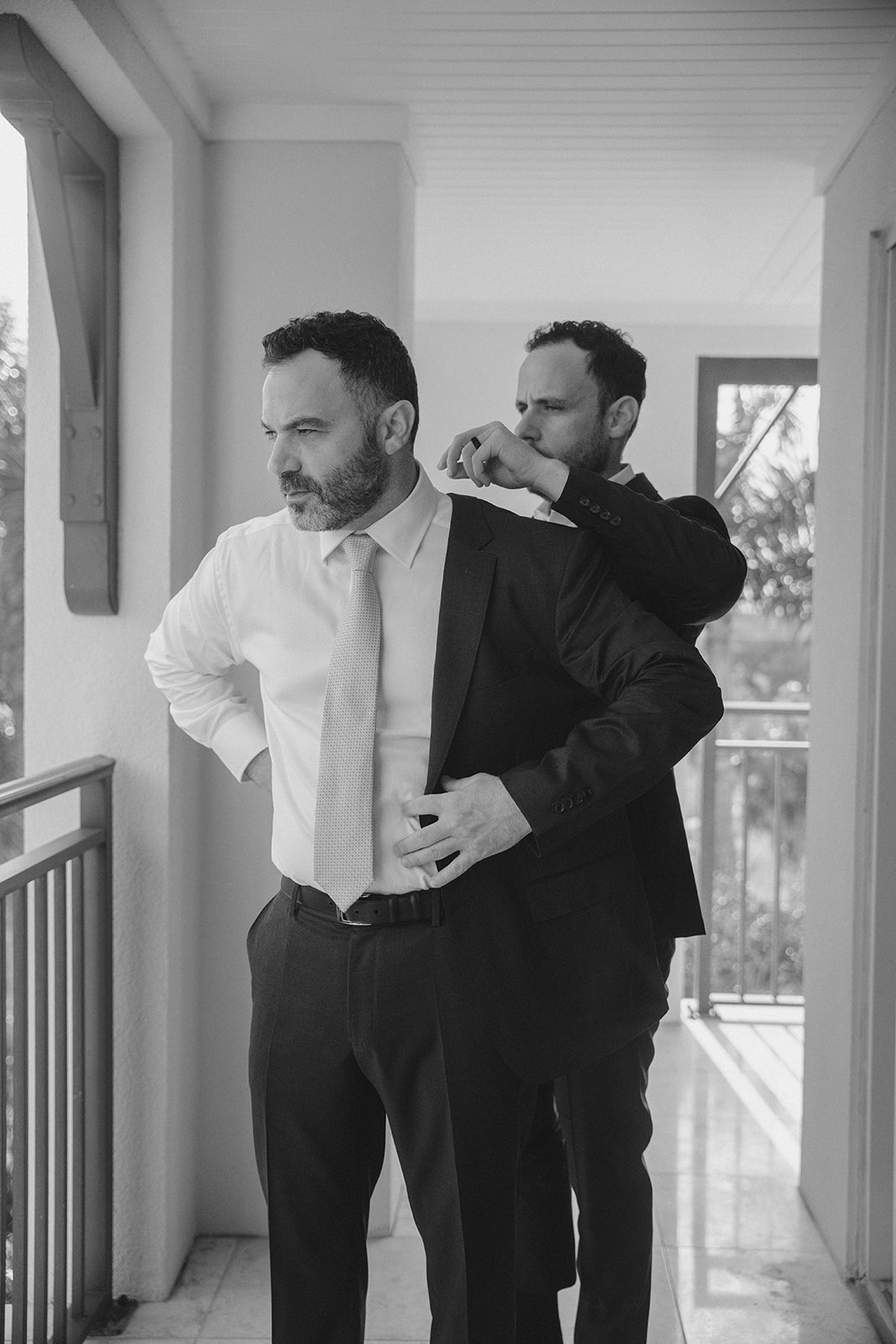
What does wedding photography give you?
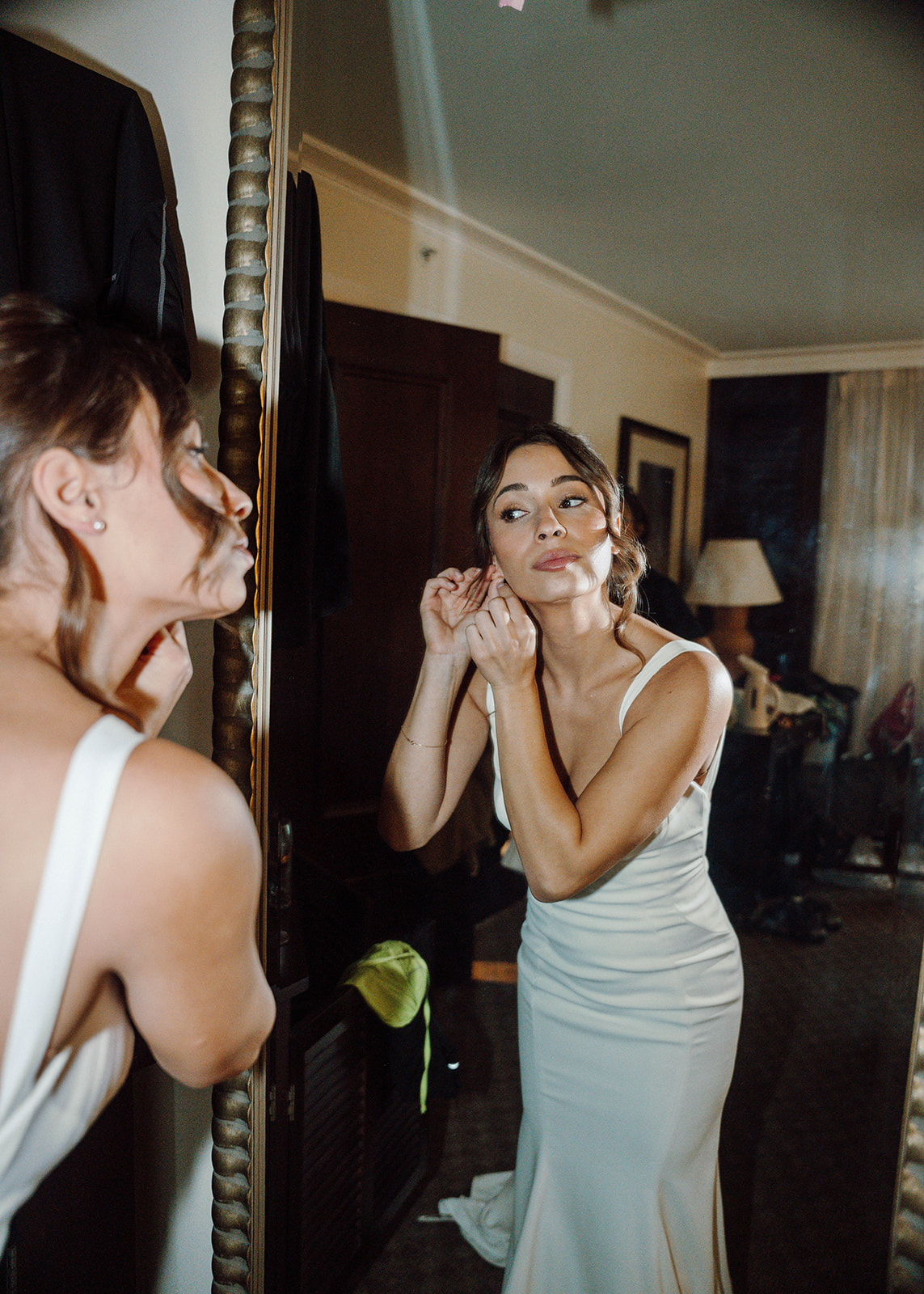
Photography gives you images you can return to in everyday life. A family portrait might become a framed print. A candid photograph might reveal a friend’s reaction you missed during the reception. An album brings preparations, portraits, and celebrations together in a format you can browse whenever you like.
Put photography high on your list if you picture displaying wedding portraits at home, sharing individual images with relatives, or keeping a family album. Check whether albums and prints are included or purchased separately.
Ask to see a complete wedding gallery before booking. That helps you assess how a photographer handles getting-ready rooms, ceremonies, family groups, and darker reception spaces, as well as the sunset portraits that often appear on social media.
Is a wedding videographer worth it if you already have a photographer?
Videography can be worth adding when sound and movement are important parts of what you want to preserve. Think about your vows: a photograph can show your partner reading them and your reaction. A recording can let you hear the words, pauses, and laughter.
The same applies to speeches and dances. Video lets you watch how a moment unfolded, from the beginning of a toast to the reaction across the room. For an outdoor Vero Beach ceremony, ask how your filmmaker plans to record voices clearly when wind and background noise are part of the setting.
Consider whether you want a short edited story, complete recordings of key events, or both. A beautiful highlight film may include only selected lines from the ceremony. If hearing every word matters most, ask about a complete ceremony edit.
Compare the finished films: Coverage hours describe when the team is present. They do not tell you whether you will receive the complete ceremony, full speeches, a highlight film, or a combination of those deliverables.
What should you ask about the finished wedding video?
- Highlight film: What is the approximate length, and how are vows or speeches used?
- Ceremony and speeches: Are complete edits included or available separately?
- Audio: Which moments will have dedicated sound recording?
- Raw footage: Is it available, and how does it differ from an edited film?
- Delivery: When and how will you receive your files?
- Examples: Can you watch films that match the package you are considering?
Raw footage is not the same as a finished documentary edit. It may consist of separate clips and audio files that need further work to watch as a continuous story. Make sure the package matches how you actually want to enjoy the recordings.
Can guests’ phone videos replace a wedding videographer?
Guest recordings can be wonderful keepsakes. A friend might capture a funny conversation or an informal moment from a perspective that feels especially personal.
They are less predictable as your only plan for recording the ceremony and speeches. Someone may start recording late, have an obstructed view, or struggle to capture clear sound from their seat.
If you choose informal recordings, decide who will record each important event and how you will collect the files. Check recording rules with your venue and officiant. This can be a reasonable budget choice; it simply gives you a different result from dedicated coverage and editing.
What if your budget only allows for photography or videography?
Start with how you expect to use your memories. If printed photographs and an album are your main priorities, put photography first. If hearing your vows and watching speeches matters most, give videography serious consideration.
If you want both, ask whether a more focused coverage schedule or different deliverables could fit your budget. Options vary between teams, so check what is actually available. Compare quotes using the same details: hours, team size, finished images and films, travel, and any additional fees.
You do not need to stretch beyond a comfortable budget because someone else says you must have both. Choose the services that preserve what matters to you.
Plan the hours around your priorities: Our guide to 6, 8, and 10 hours of wedding photography coverage can help you work backward from your ceremony, portraits, and reception plans.
Should you book photography and videography with one company?
Booking both through one company can simplify communication and timeline planning. You should still understand who will photograph, who will film, and how they coordinate. One person providing both services works differently from separate people dedicated to each.
Ask how the team handles separate getting-ready locations, ceremony positions, and portrait time. Good collaboration helps everyone capture the moments they need while keeping the day comfortable for you.
At Ambition Film Company, we are Jake and Emma, a husband-and-wife team with Jake focused on videography and Emma on photography. Explore our wedding photography and wedding videography to see how both sides of our work fit together.
Behind the scenes: which one is harder?
In our original podcast conversation, we discussed the challenges from our own roles. Photography involves anticipating fleeting expressions, guiding portraits, and delivering a consistent gallery. Videography adds the challenge of recording complete actions, capturing clear sound, and building a story from footage and audio.
For couples, the useful question is how the people doing that work coordinate. Watch our conversation below for a closer look at the two crafts.
Choosing photo and video for your Vero Beach wedding
Choose three memories you most want to preserve. They might be family portraits, personal vows, and your first dance. Those priorities make it easier to choose your services and coverage hours.
Share your wedding date, venue, and what matters most to you. We would love to talk through photography and film for your celebration in Vero Beach, the Treasure Coast, or elsewhere in Florida.
Tell us about your wedding